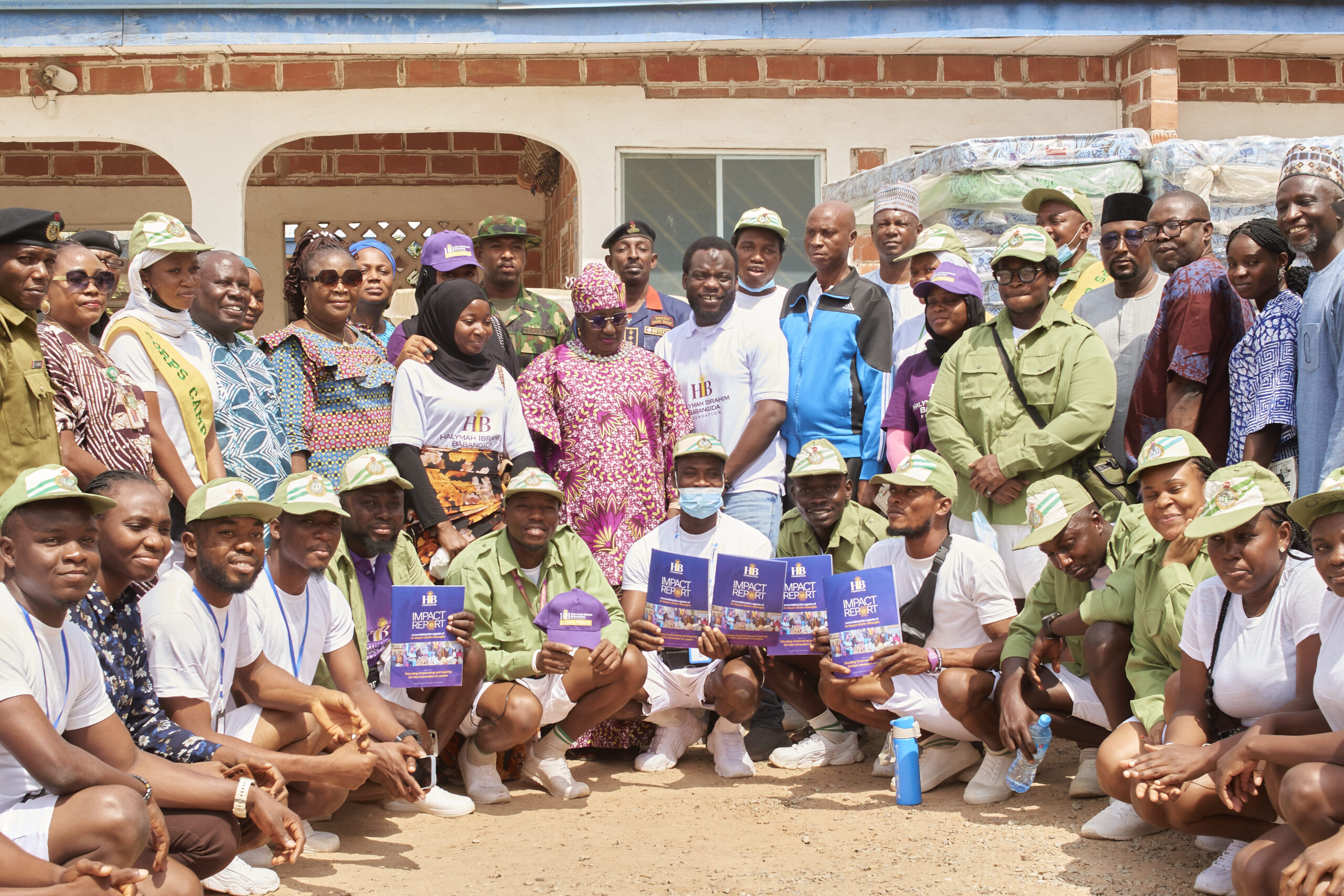
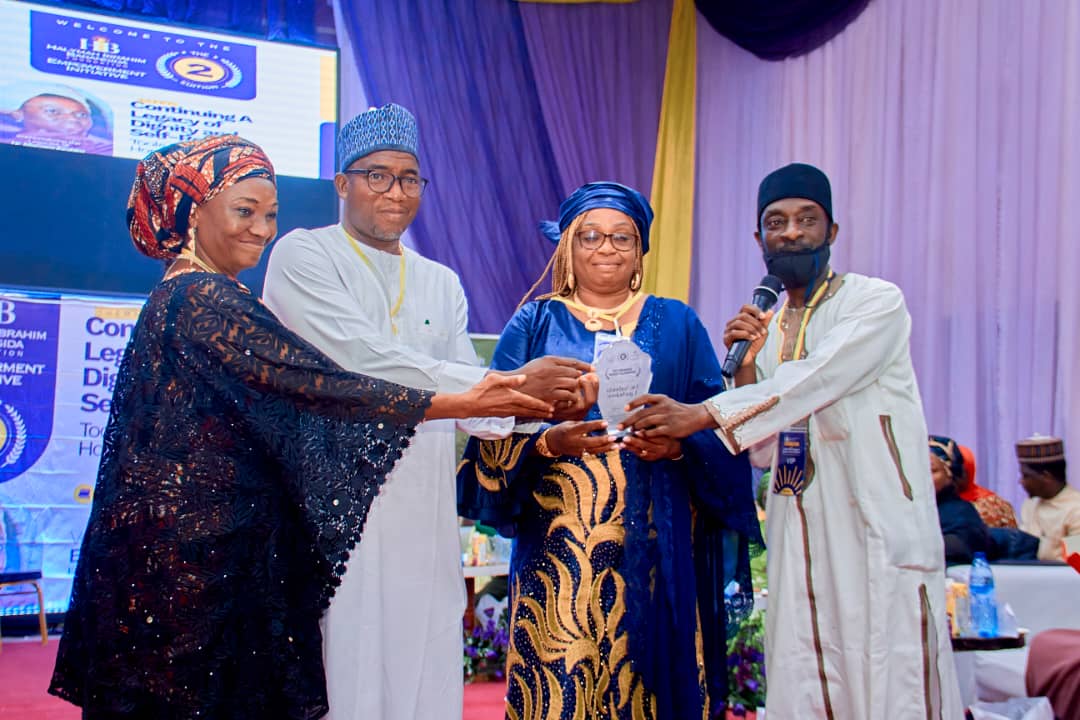
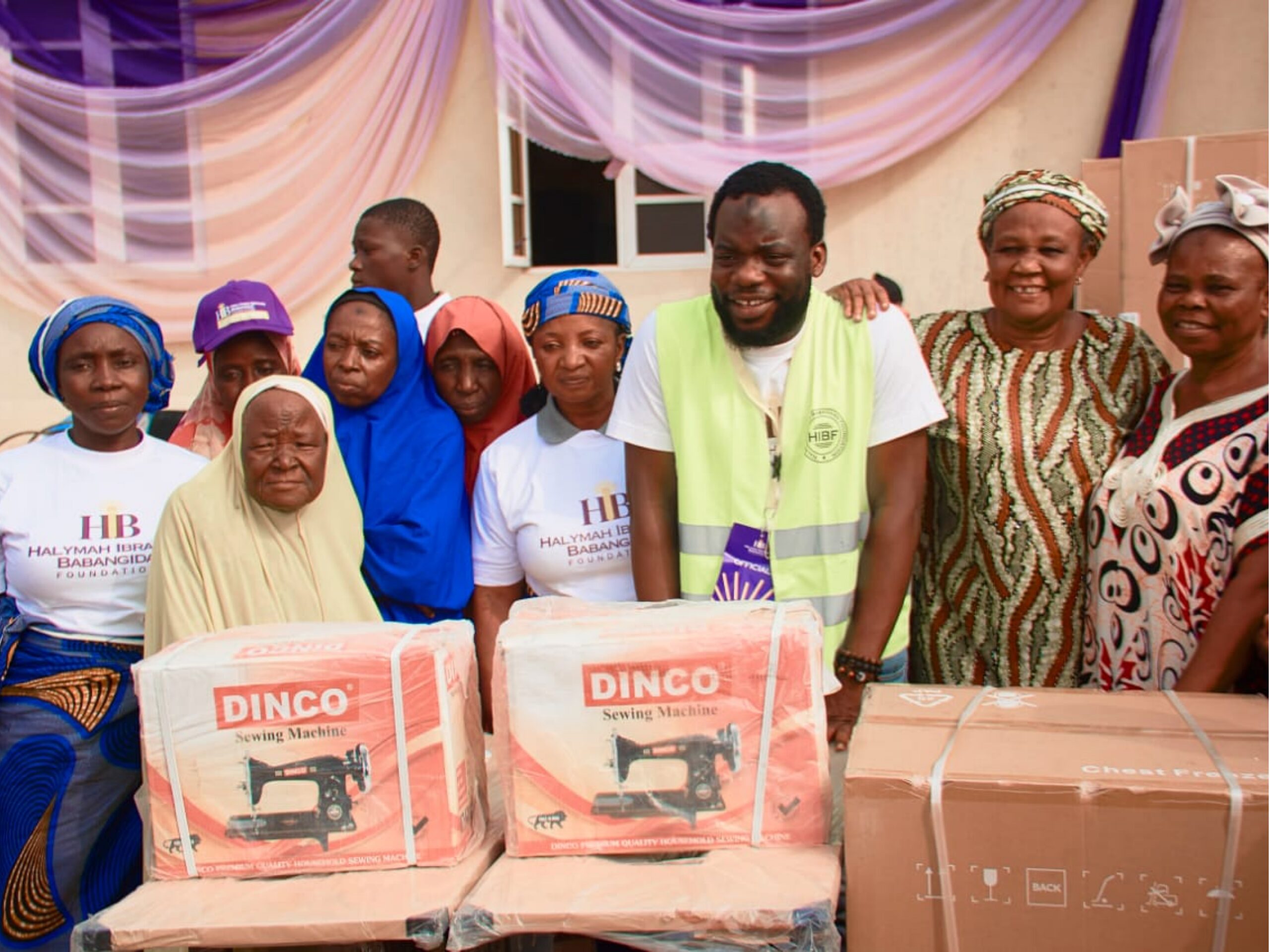
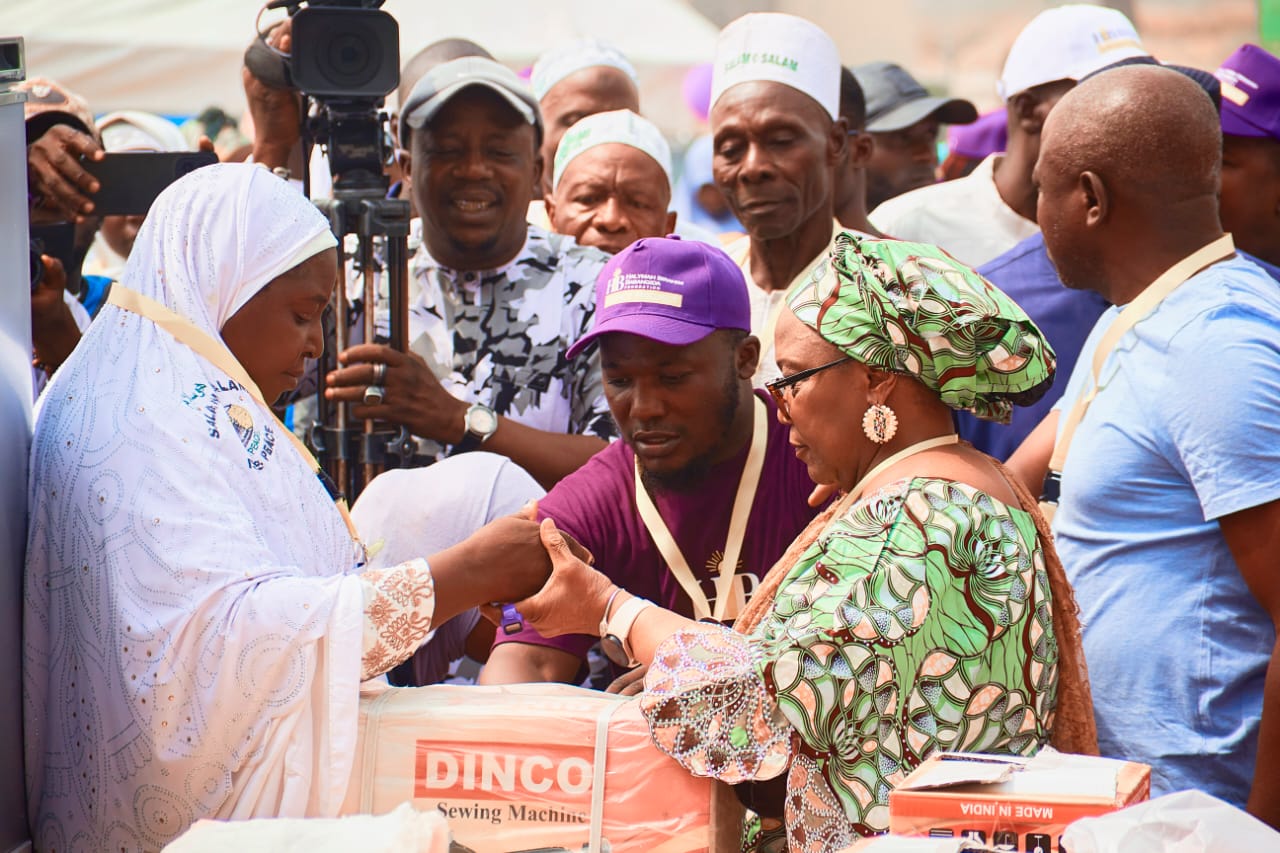
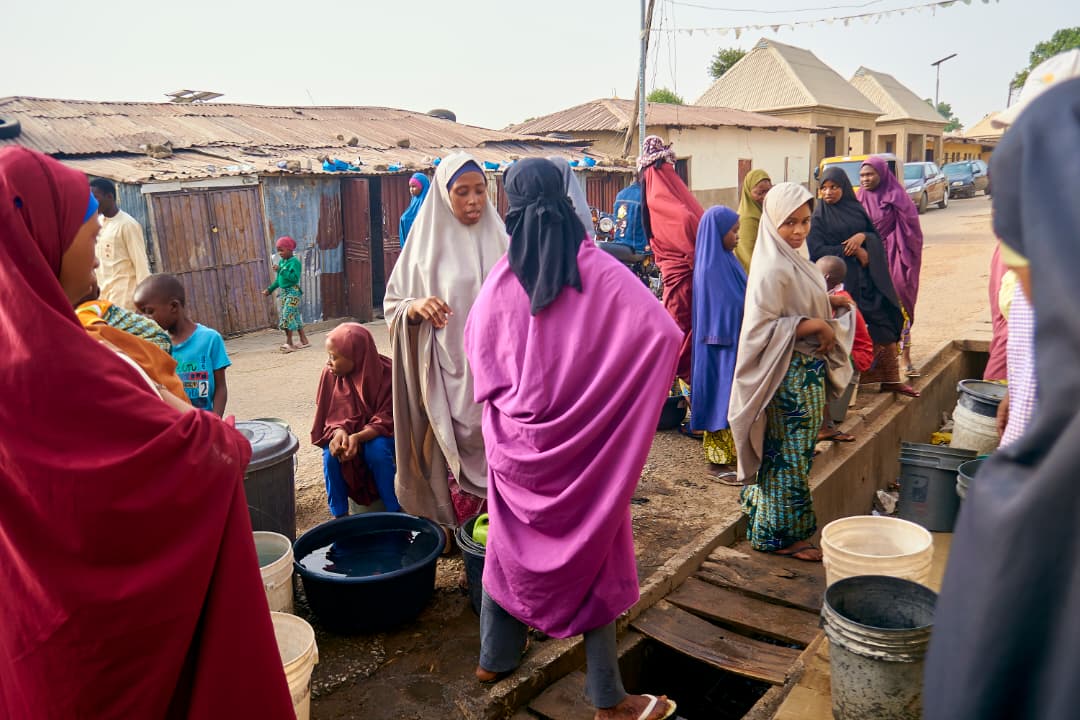
Dedicated to empowering young people through education, fostering a brighter future for generations to come.
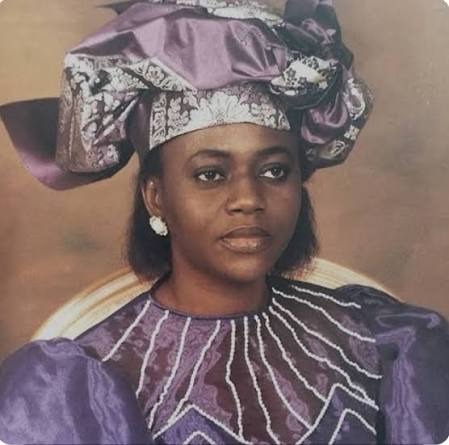
Maryam Babangida was a Nigerian public figure who served as First Lady during the military government of her husband, Ibrahim Badamasi Babangida, from 1985 to 1993. She is widely remembered for redefining the public role of the First Lady through nationwide social initiatives focused on rural women’s development and empowerment, leaving a lasting influence on later First Ladies in Nigeria.
Career and public initiatives
Her most significant achievement was the Better Life Programme for Rural Women, launched in 1987. The initiative promoted women’s cooperatives, literacy, vocational training, access to healthcare, small-scale enterprises, and agricultural development, particularly in rural communities. It sought to improve economic opportunities for women while increasing their visibility in national development efforts.
Legacy
Maryam Babangida helped transform the office of the First Lady from a largely ceremonial role into a platform for social advocacy. She also played an important role in the Nigerian Army Officers’ Wives Association before becoming First Lady. She later supported the establishment of the Maryam Babangida National Centre for Women’s Development, which continues to focus on research, training, and women’s advancement. Her model of combining public visibility with development programs influenced subsequent First Ladies in Nigeria and elsewhere in Africa.
The “Maryam Phenomenon” and the Office of the First Lady
When her husband became Head of State in 1985, Dr. Maryam Babangida moved into the Dodan Barracks in Lagos. Recognizing the untapped potential of her position, she effectively created the modern Office of the First Lady of Nigeria. She transformed what was previously a purely ceremonial role into a powerful platform for advocacy, social welfare, and development.

Her charisma, fashion sense, and dedication to public service earned her the moniker the “Maryam Phenomenon.” She became a prominent role model for women across Nigeria and Africa, proving that a First Lady could actively influence national progress.
Education and personal life
Born on 1 November 1948 in Asaba, Maryam Babangida (née Okogwu) received her early education in Asaba and Kaduna. She attended Queen Amina College in Kaduna, completed secretarial studies at the Federal Training Centre in Kaduna, later earned additional qualifications in the United States, and undertook computer science training in Lagos. She married Ibrahim Babangida in 1969, and they had four children. She also authored the 1988 book The Home Front.
Death and remembrance
Maryam Babangida died on 27 December 2009, aged 61, from complications of ovarian cancer while receiving treatment in the United States. Her death prompted widespread tributes recognizing her contributions to women’s empowerment, education, and rural development. She remains one of Nigeria’s most prominent and influential First Ladies, particularly for institutionalizing large-scale social programs directed at women and rural communities.
Dedicated to empowering young people through education, fostering a brighter future for generations to come.